Table of contents
Discover the remarkable adaptability of mulchers and chippers within the forestry industry. As environmental concerns and forest management practices evolve, the need for efficient and sustainable equipment becomes ever more pressing. Uncover how these powerful machines are transforming forest landscapes and enhancing productivity in the paragraphs ahead.
Understanding mulchers in forestry
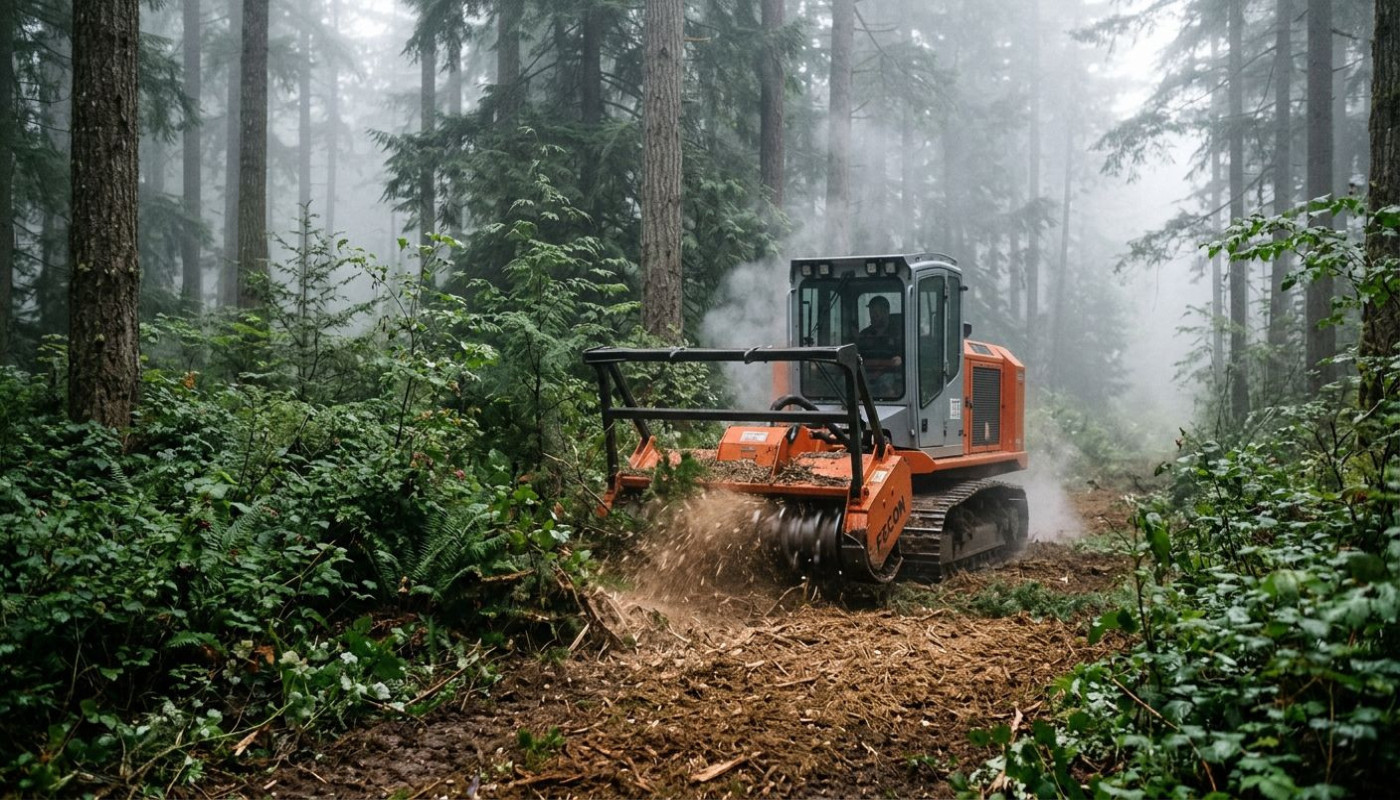
Within forestry operations, mulchers serve a vital role in vegetation management and land clearing by employing advanced technologies such as the rotor drum to efficiently process a range of plant materials. This type of forest equipment is engineered to shred underbrush, small trees, and dense vegetation into fine mulch, which aids in restoring access to overgrown tracts and reduces fire hazards by eliminating combustible material—a strategy widely recognized for wildfire prevention. Beyond underbrush removal, forestry mulchers support habitat improvement initiatives by selectively targeting invasive species or overgrown areas, fostering the growth of native plants and improving overall ecosystem health. The application of a forestry mulcher streamlines large-scale projects, minimizes the disruption to soil structure compared to traditional clearing methods, and provides a sustainable approach to ongoing land maintenance efforts.
Chippers and their primary uses
Chippers are specialized machines designed by top forestry operations specialists to efficiently process branches, limbs, and forest debris into smaller, manageable materials. Utilizing a sophisticated feed mechanism, chippers guide raw materials into rotating blades or drums, transforming bulky waste into uniform wood chips. This process not only simplifies the handling and transportation of forest debris but also plays a pivotal role in waste reduction by minimizing the volume of material that would otherwise be discarded. The resulting wood chips are highly versatile, serving purposes such as biomass production, landscaping mulch, path surfacing, and even as a raw material for certain manufacturing processes. By converting organic waste into usable products, chippers support sustainable forestry practices and add value at various stages of resource management.
Versatility across forest environments
Mulchers and chippers stand out for their forestry versatility, operating effectively in a broad spectrum of environments ranging from densely wooded regions to open post-harvest landscapes. These forest tools are engineered with features such as hydraulic drive systems, which enable terrain adaptation by providing consistent power and control even on steep inclines, rocky ground, or debris-laden surfaces. Adaptive equipment designs allow for seamless processing of various vegetation types, from thick underbrush and small saplings in dense forests to the management of residual tree matter and stumps after timber harvesting. Their robust construction and versatile function make them indispensable for post-harvest management, where rapid clearing and material processing are required to prepare the land for regeneration or further use.
Professionals interested in maximizing efficiency can benefit from understanding how mulchers and chippers integrate with other modern forestry practices. Hydraulic drive technology not only boosts productivity but also offers adaptability for changing ground conditions, minimizing downtime and ensuring consistent output. For a deeper look at how these machines transform forest management, you can find out about the latest advancements and best practices on dedicated resource platforms.
Benefits for sustainable forestry
Utilizing mulchers and chippers as eco-friendly equipment delivers significant environmental and operational gains within the realm of sustainable forestry. These machines contribute positively to ecosystem health by returning organic material to the forest floor through the mulching process, which enhances soil preservation and fosters nutrient cycling. By breaking down woody debris into manageable mulch or chips, this approach provides ground cover that limits soil erosion, retains moisture, and supports the regeneration of native vegetation—all vital for maintaining balanced ecosystems.
From a circular economy perspective, mulchers and chippers transform potential waste into valuable resources, integrating seamlessly with sustainable forestry principles. The resulting mulch and wood chips can be reused for trail maintenance, erosion control, or as biomass fuel, reducing landfill disposal and dependence on external materials. The application of these techniques ensures that forestry operations not only minimize ecological impact but also optimize land stewardship and resource efficiency, hallmarks recognized by leading sustainable forestry experts worldwide.
Safety and maintenance considerations
Ensuring forestry safety during the operation of mulchers and chippers depends on rigorous operator training and adherence to safe work practices. Operators must be thoroughly trained to handle each machine, with a strong emphasis on understanding all safety features, including the proper use of a protective guard, and recognizing the signs of potential hazards. Routine machine inspection is vital; this involves a detailed check of blades, belts, hydraulic systems, and protective guards before and after each use to identify wear and prevent unexpected mechanical failures. Equipment maintenance schedules should be strictly followed, addressing lubrication, tightening of hardware, and timely replacement of worn parts to maximize performance and longevity. By prioritizing these equipment maintenance protocols, forestry operations can reduce risks, protect personnel, and contribute to a safer working environment. The authority in forestry safety management strongly recommends these strategies to uphold the highest standards of safety and operational readiness in the field.
Similar

Why Wallpaper Selection Matters More In Remote-working Companies
